
Treatment of Plantar Fasciitis in Gurgaon
This is often dismissed as ordinary heel pain. The instant they get out of bed in the morning, they have a sudden, sharp pain in the heel. In some people, the pain is worse in the morning and improves a little after walking about a bit but gets worse again after standing or walking for any length of
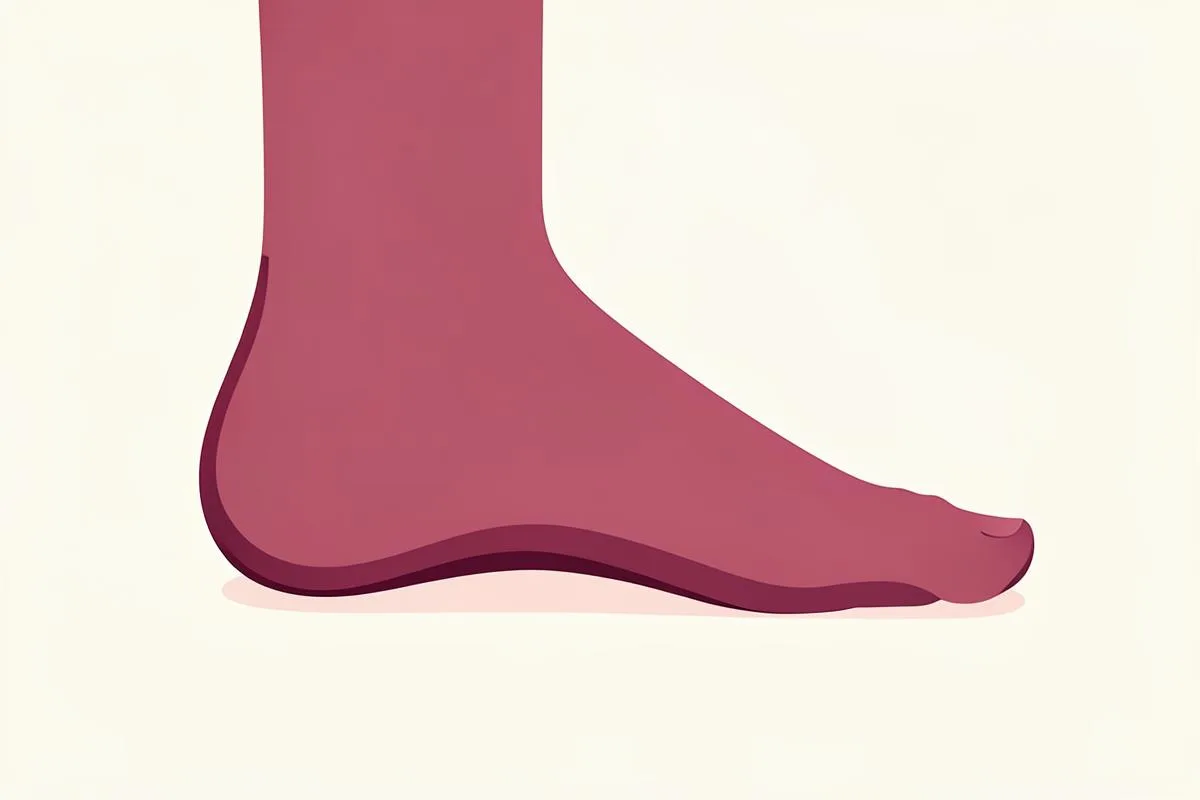
This is often dismissed as ordinary heel pain. The instant they get out of bed in the morning, they have a sudden, sharp pain in the heel. In some people, the pain is worse in the morning and improves a little after walking about a bit but gets worse again after standing or walking for any length of time.
If your heel pain is something like this, then you could have plantar fasciitis as a possible reason.
This condition is characterized by pain in the plantar fascia, a tough tissue on the bottom of the foot. This tissue extends from heel to toe and is very important to the support of the arch of the foot.
If your heel pain keeps coming back, is affecting your walking, or home care basics haven’t helped, a proper assessment can be very useful.
What Is Plantar Fasciitis?
The plantar fascia is a thick band of connective tissue that runs from the heel to the toes along the bottom of the foot. It helps absorb the shock and supports the arch of the foot while walking and running.
Repetitive stress or overloading of the heel region can create pain around the insertion point of the plantar fascia. This condition is commonly referred to as plantar fasciitis, although the term plantar fasciopathy is also used in cases of long duration.
The most common complaint is pain under the heel or between the heel and the arch.
What are the Symptoms of Plantar Fasciitis?
All patients do not have the same symptoms, but some are very common:
- 1. Pain in the heel when you first get up in the morning: This is the most obvious symptom of plantar fasciitis. When you get up from lying down, the heel pain can be very sharp for the first few steps you take.
- 2. Pain at rest: Not only in the morning. If you have been sitting in a chair for a long time and then you get up, the first few steps can be painful.
- 3. Tenderness under the heel: You may feel tenderness or pain when pressure is applied to the bottom of the heel, especially the inner side.
- 4. Symptoms worsen after prolonged walking or standing: Initially, some patients feel a little better, but after prolonged walking, running, or standing the symptoms increase again.
- 5. Pain after stretching the foot: Some patients may also experience pain when pulling up the toes or walking on stairs.
What Causes Plantar Fasciitis?
There is no single cause of plantar fasciitis. Repeated stress and load are usually a combination that affects the foot. A few common denominators include:
- Sudden increases in walking, running, or exercise
- Lots of time on your feet
- Excessive walking on hard floors
- Tight calf muscles
- Uncomfortable, non-supportive shoes
- Activities with high impact
- Being overweight
- Factors related to foot structure or biomechanics
- A sudden increase in physical activity
Plantar fasciitis is also quite common in the 40-60 year age group. Generally, this condition is not caused by one single factor. In combination, various reasons can increase the load on the foot.
What are the Risks of Plantar Fasciitis?
Some people may be relatively more at risk. For example, your work may require you to stand for long periods of time, or you may have recently started running or working out and the load on your heels may suddenly increase.
Similarly, if you suddenly increase your activity level, such as going from a 20-minute to a 60-minute daily walk, your foot may need time to adjust to the new load. Shoes that don’t cushion properly or walking barefoot a lot on hard surfaces can also make symptoms worse.
Is Every Heel Pain Plantar Fasciitis?
No. Pain in the heel can also be caused by Achilles tendinitis, bursitis, injury, or fracture. Nerve problems in some patients can also be associated with foot pain.
Having heel pain does not automatically mean you have plantar fasciitis. The site of pain, the timing of pain, the activity that worsens the pain, and findings on examination are all important in achieving the correct diagnosis.
Plantar Fasciitis Diagnosis
The diagnosis of plantar fasciitis is made from symptoms and physical examination. Your doctor may ask about the pattern of your pain:
- Is the pain worse in the morning?
- Exactly where is the pain in the heel?
- Does pain increase after rest?
- Does walking or running make a difference?
- Have you recently increased your level of activity?
- What kind of shoes do you wear?
- Are both feet hurting?
- Is there any loss of feeling, pins and needles, or weakness?
There will also be a physical examination of the foot and ankle. Imaging is not routinely indicated in all patients. The doctor might suggest further investigation if the symptoms are unusual, if there is a suspicion of injury, if the pain is persistent, or to rule out another diagnosis.
Plantar Fasciitis Treatment in Gurgaon
The good news is that surgery is not typically the first treatment option for plantar fasciitis. Most patients are initially managed conservatively, which may include reduction of unnecessary loading of the foot, appropriate footwear, stretching, and exercises.
- Stretching and Exercise: Stretching the calf and plantar fascia may be an important part of treatment. Regular physical activity can help improve flexibility of the foot and ankle. But the exercises must be selected and modified according to the symptoms of the patient.
- Better Shoes: Shoes can make a big difference in heel pain. In general, comfortable shoes with a cushioned heel and adequate arch support can be helpful. Symptoms may be worsened by standing barefoot on hard surfaces for long periods. You can also use heel pads or insoles to improve comfort.
- Activity Modification: Having plantar fasciitis does not mean you should be in complete bed rest. But in an activity where pain is constantly increasing, a temporary reduction in intensity or duration can be helpful.
- Pain Relief and Ice: Some patients may find temporary relief by applying an ice pack (wrapped in a towel) to the painful area for limited periods. Painkillers can help in some situations, but if you need regular medication, it is better to speak to a doctor.
- Managing Your Weight: Extra body weight can put more mechanical stress on the foot and heel. Appropriate weight management may therefore be included in the overall management plan to reduce unnecessary load on the foot.
What If My Plantar Fasciitis Does Not Improve?
Heel pain isn’t always gone in a couple of weeks. If symptoms do not improve with shoe modifications, stretching, and activity changes, further evaluation may be needed.
Depending on the individual case, the specialist can discuss options such as physiotherapy, orthotic support, night splints, or selected interventional treatments. For long-term cases, they might consider alternatives such as extracorporeal shockwave therapy or injections. Not every patient needs an injection. It is contingent upon the diagnosis and the overall clinical picture.
Plantar Fasciitis Care at Sadhna Pain and Spine Clinic
Correct Diagnosis First
Detailed clinical assessment before any scan or procedure is advised, so treatment targets the real source of pain.
Non-Surgical Focus
Exercise-based rehabilitation, medicines and image-guided day-care procedures — surgery only when it is genuinely required.
Specialist Care in Sector 43
Consult at SCI Hospital, Golf Course Road, Gurugram with structured follow-up and cashless insurance support.

Dr. Devika Arora – MBBS, D.A., DNB
Pain Management & Interventional Pain Specialist, Founder & Director, Sadhna Pain and Spine Clinic, SCI Hospital, Sector 43, Golf Course Road, Gurugram.
- Trained in Pain Medicine, Interventional Pain Management and Musculoskeletal Ultrasound
- Anaesthesia & Critical Care background
- Non-surgical, patient-first treatment philosophy
Frequently Asked Questions About Plantar Fasciitis
Answers to the questions our patients in Gurugram ask us most often.
The classic symptom is pain under the heel or around the heel and arch, particularly with the first few steps out of bed or after periods of rest.
The tissue surrounding the plantar fascia is relatively quiet at rest. It can hurt when you suddenly put weight on the foot on getting up. You see this pattern a lot with plantar fasciitis.
No. Many people improve with conservative treatment such as proper footwear, stretching, exercises, and activity modification.
Symptoms may get worse if you stand or walk for a long time, but walking in itself is not necessarily bad. It is usually better to modify the activities that cause pain rather than to stop all activity.
Yes. Lack of support or shoes that don’t have enough cushioning can increase the stress on the foot and can lead to or worsen symptoms of plantar fasciitis.
Not so much. Heel spurs are very common and can form in people without plantar fasciitis. But just because they’re there, it doesn’t mean they are causing the pain.
If your heel pain is persistent, is interfering with your walking, or isn’t improving with simple self-care, it’s worth having the cause professionally evaluated.
The pain of plantar fasciitis can be felt with the first few steps you take in the morning. But if it goes on for weeks, it can slowly change how you walk, exercise, and go about your normal day.
Get Expert Plantar Fasciitis Treatment in Gurugram
Consult Dr. Devika Arora, Pain Management & Interventional Pain Specialist, at SCI Hospital, Sector 43, Golf Course Road, Gurugram.
- Mon – Sat, 10 AM – 7 PM
- Same-day daycare procedures
- Cashless insurance support