
Knee Pain Treatment in Gurgaon
Knee pain can affect how you move throughout the day. When the knee starts to hurt, it can be uncomfortable to climb stairs, get up from a chair, walk to work, exercise or even stand for a longer period.
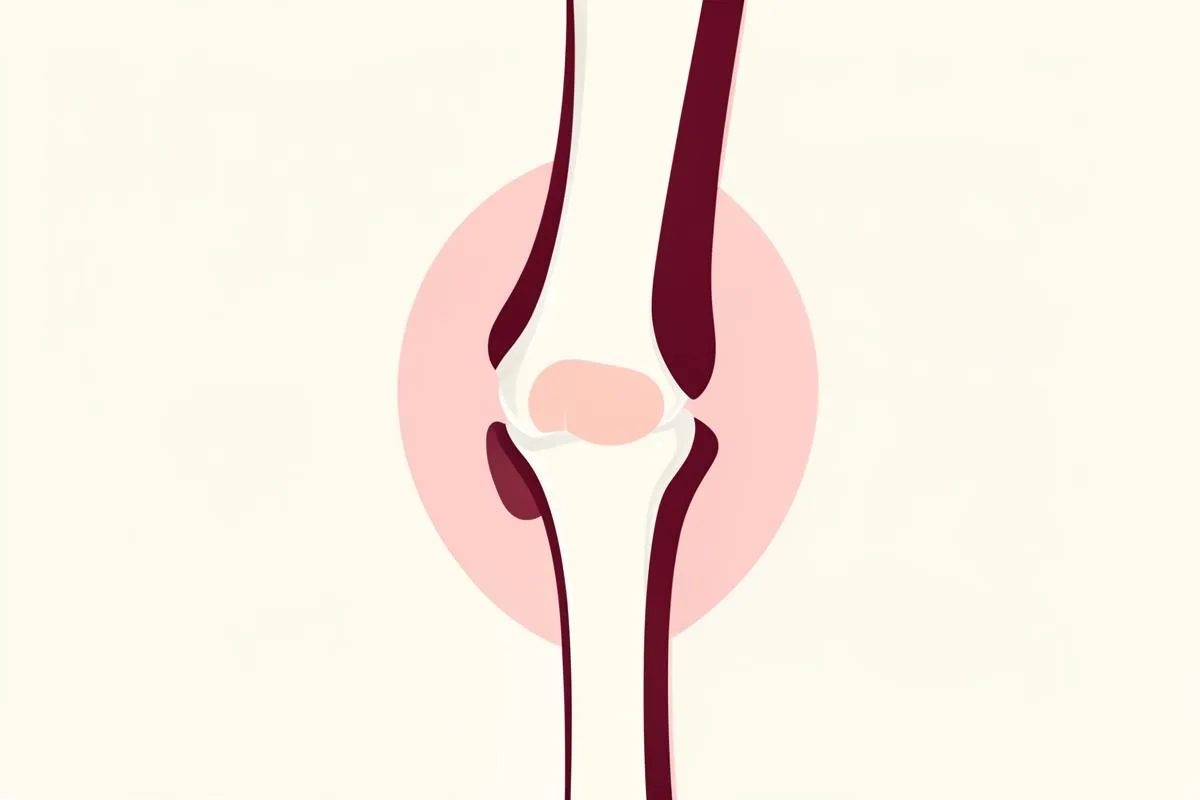
Knee pain can affect how you move throughout the day. When the knee starts to hurt, it can be uncomfortable to climb stairs, get up from a chair, walk to work, exercise or even stand for a longer period.
For some, the pain follows an injury or too much activity. Sometimes it progresses slowly, causing stiffness, swelling, or trouble walking. Knee pain can be caused by a variety of reasons and the correct treatment depends on the actual cause of the symptoms.
Sadhna Pain & Spine Clinic in Gurgaon offers specialist pain-management evaluation for patients with chronic knee pain under the guidance of Dr. Devika Arora, Interventional Pain Management Specialist. Her professional interests include Knee Pain and she has additional training in Pain Medicine, Interventional Pain Management and Musculoskeletal Ultrasound.
The point is not to assume that every painful knee needs the same treatment. An accurate assessment can help determine the likely source of pain and whether conservative, rehabilitative or selected interventional treatment may be appropriate.
What Is Knee Pain?
Knee pain is pain that occurs in the knee joint or in the muscles, tendons, ligaments and other tissues surrounding the knee joint. It can involve one or both knees and may be:
- Sudden or gradual
- Serious or mild
- Only when moving
- Present when resting
- Related to stiffness or swelling
- Provoked by walking, climbing stairs or bending the knee
Knee pain alone is a symptom, not a diagnosis. The same complaint could be the result of an injury, arthritis, overuse, inflammation or some other musculoskeletal problem. If you just deal with the pain without knowing what may be causing it, you may not always be dealing with the real problem.
Knee Pain: Typical Symptoms
Symptoms will vary depending on the condition that is affecting the knee. Common signs include:
- Pain while walking
- Pain while walking up or down stairs
- Knee stiffness
- Swelling of the knee
- Difficulty bending or straightening the knee
- Discomfort when sitting for a long time
- Pain on standing up
- Swollen joint area
- Reduced exercise tolerance
- Feeling of weakness or loss of balance
- Clicking or catching feelings with motion
In some patients, symptoms are mainly related to activity, while others have pain at night or discomfort even when resting. Persistent symptoms should be investigated, not ignored.
What Is Causing My Knee Pain?
Knee pain can occur for many different reasons. Common contributors include:
- Osteoarthritis: Can cause knee pain, stiffness and loss of function. Symptoms usually develop gradually over time and may come and go.
- Knee injuries: Sports injuries, falls, twisting movements and accidents can injure structures like ligaments, tendons, cartilage or the meniscus.
- Overuse: Knee pain can result from repetitive activities, a sudden increase in exercise or long-term physical stress.
- Inflammatory Conditions: Certain inflammatory or systemic conditions may involve the knee and cause pain, swelling and stiffness.
- Soft Tissue and Tendon Problems: Problems with the tendons and the soft tissues around them can cause pain, especially with certain movements.
- Other joint problems: Such as infection or gout. (If your knee is hot and swollen and you have a fever or feel sick, seek urgent medical care).
Who Has Knee Pain?
Knee problems can affect people of any age, of any level of activity. Factors potentially increasing the likelihood of knee pain include:
- Previous knee injury
- Repetitive physical exercise or sport-specific activities
- Aging
- Lack of strength or weakness
- Overweight (especially in relation to knee osteoarthritis)
- Inflammatory or metabolic diseases
- Previous knee surgery or structural problems
What is the Diagnosis for Knee Pain?
A Knee Pain Specialist in Gurgaon will usually begin with a detailed medical history and assessment of your symptoms. The doctor might ask:
- When did the pain begin?
- Were there any injuries?
- Where exactly does it hurt?
- Is there pain when walking or at rest?
- Is there any swelling?
- Can you fully flex and extend the knee?
- Does your knee give way?
- Have you taken any medication, exercised, or had other treatments?
- What is the pain doing to your daily routines?
A physical exam can help assess movement, tenderness, strength and other important findings. Not all patients with knee pain require extensive imaging such as MRI or X-ray. Investigations should be used selectively, where appropriate, with diagnosis and management based primarily on clinical symptoms and physical function.
Knee Pain Treatment in Gurgaon
There is no single treatment that will work for all types of knee pain. The treatment should be according to the cause and severity, duration of symptoms and the general health of the patient. Management may involve:
- Exercise and Rehabilitation: Exercise is an important part of the management of many knee conditions including specific therapeutic exercise and muscle strengthening.
- Activity Modification: Temporarily modifying activities that clearly aggravate the knee can help control symptoms.
- Medications: The use of medications for pain or inflammation will depend on the patient’s medical history.
- Weight Management: Overweight individuals can reduce pain and improve physical function through weight management, especially in knee osteoarthritis.
- Specialist Pain Management: If the knee pain remains problematic despite conservative care, targeted interventional pain management can be an option.
Knee Pain Non-Surgical Treatment
A lot of patients looking for a Non-Surgical Knee Pain Specialist are wanting to explore treatment options before surgery. Non-surgical treatments may include:
- Physiotherapy and rehabilitation
- Activity changes and weight management
- Correct medication
- Image-guided interventional pain procedures as indicated
You don’t need an injection for every patient, and you don’t need an interventional procedure for every knee problem. Treatment should always be directed to the individual patient’s diagnosis.
Is it Possible to Treat Knee Pain Without Surgery?
Yes, many times. Surgery should be considered if the underlying problem is important and has a significant impact on the patient’s function and quality of life. Before considering joint replacement, patients are educated about the condition and prescribed exercise and weight management as non-surgical options.
The question should not just be “Do I need surgery?” but rather “What is causing my knee pain and what treatment is appropriate for my condition?”
Knee Pain Care at Sadhna Pain and Spine Clinic
Correct Diagnosis First
Detailed clinical assessment before any scan or procedure is advised, so treatment targets the real source of pain.
Non-Surgical Focus
Exercise-based rehabilitation, medicines and image-guided day-care procedures — surgery only when it is genuinely required.
Specialist Care in Sector 43
Consult at SCI Hospital, Golf Course Road, Gurugram with structured follow-up and cashless insurance support.

Dr. Devika Arora – MBBS, D.A., DNB
Pain Management & Interventional Pain Specialist, Founder & Director, Sadhna Pain and Spine Clinic, SCI Hospital, Sector 43, Golf Course Road, Gurugram.
- Trained in Pain Medicine, Interventional Pain Management and Musculoskeletal Ultrasound
- Anaesthesia & Critical Care background
- Non-surgical, patient-first treatment philosophy
Frequently Asked Questions About Knee Pain
Answers to the questions our patients in Gurugram ask us most often.
It is contingent upon what you think the cause is. When you have chronic knee pain, a pain-management specialist can evaluate your pain and discuss conservative or selective interventional treatment options as appropriate.
There is no single treatment for all patients. Treatment is directed at the cause and may include exercise, rehabilitation, activity modification, medication and selected interventions.
Many knee problems can be treated successfully without surgery. Management of conditions such as osteoarthritis includes therapeutic exercise and appropriate weight management.
No. Other reasons for knee pain are injury, overuse, tendon problems, soft tissue problems, inflammatory problems and others.
Not all the time. Imaging is ordered based on presenting symptoms, physical exam and suspected diagnosis.
No. Injections are for particular conditions and should only be used when there is a clinical indication.
Yes. A pain-management specialist can assess arthritis-related pain and talk about appropriate non-surgical and interventional options as part of a customized treatment plan.
Get Expert Knee Pain Treatment in Gurugram
Consult Dr. Devika Arora, Pain Management & Interventional Pain Specialist, at SCI Hospital, Sector 43, Golf Course Road, Gurugram.
- Mon – Sat, 10 AM – 7 PM
- Same-day daycare procedures
- Cashless insurance support