
Treatment for Shoulder Pain in Gurgaon
Shoulder pain can make the simplest of movements unexpectedly difficult. If you have a painful or stiff shoulder, it can be uncomfortable to reach overhead, put on a shirt, lift an object, drive, exercise, or even sleep on one side.
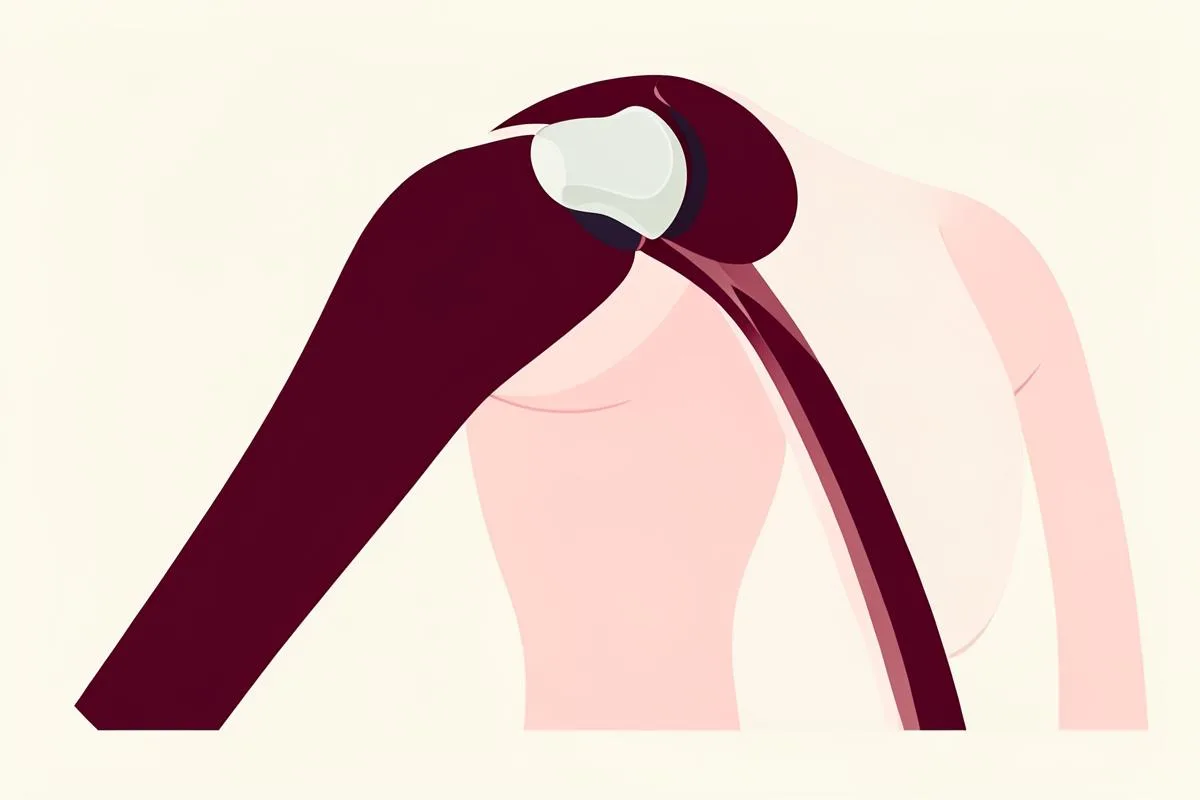
Shoulder pain can make the simplest of movements unexpectedly difficult. If you have a painful or stiff shoulder, it can be uncomfortable to reach overhead, put on a shirt, lift an object, drive, exercise, or even sleep on one side.
While some shoulder pain will go away with time and proper self-care, ongoing symptoms may indicate an underlying tendon, joint, bursa, nerve, or other musculoskeletal problem. There are many different things that cause shoulder pain, so determining what is most likely causing your pain is an important part of treatment.
Sadhna Pain & Spine Clinic in Gurgaon evaluates shoulder pain with a patient-centric approach, taking into account the nature of symptoms, physical findings, and potential causes before deciding on treatment.
Dr. Devika Arora, Pain Management and Interventional Pain Specialist, has specialized training in Pain Medicine, Interventional Pain Management, and Musculoskeletal Ultrasound. On her profile, she lists Shoulder Pain as a condition she treats.
Understanding Shoulder Pain
Shoulder pain is a symptom of discomfort in or around the shoulder. The shoulder is complicated and involves bones, joints, muscles, tendons, ligaments, and bursae, so pain in this area can be caused by a number of things.
Pain can be felt:
- On the front, side, or back of the shoulder
- Around the shoulder blade
- During arm elevation or depression
- When reaching or lifting
- At night, particularly while lying on the affected side
- As stiffness or an inability to move
Pain around the shoulder can sometimes be referred to as pain from the neck or another part of the body. Hence why persistent shoulder symptoms shouldn’t be presumed to be a simple muscle strain.
Common Symptoms of Shoulder Pain
Shoulder issues can cause various combinations of pain and movement-related symptoms. Typical symptoms include:
- Shoulder pain when moving
- Pain with arm elevation
- Difficulty reaching overhead
- Stiffness of the shoulder
- Reduced range of motion
- Pain that is worse at night
- Difficulty lying on the affected side
- Weakness of muscles
- Clicking or catching feelings
- Pain radiating to the upper arm
- Tenderness of the shoulder
Symptoms may be progressive, or they may present as acute pain from an injury or unusual movement. If the pain in your shoulder is persistent, progressively worsening, or interfering with your normal activities, a Shoulder Pain Doctor in Gurgaon can help determine if you need a further assessment.
What Leads to Shoulder Pain?
Shoulder pain is not caused by just one thing. Some of the common contributors include:
Problems With The Rotator Cuff
The rotator cuff is a group of muscles and tendons that stabilize and move the shoulder. Tendinopathy, irritation, or a tear can lead to pain and weakness, especially when lifting or performing overhead movements.
Bursitis
Pain is often due to inflammation or irritation of a bursa around the shoulder, especially with movement.
Frozen Shoulder
Adhesive capsulitis, commonly known as frozen shoulder, can result in increasing pain and marked restriction of shoulder motion.
Arthritis
Changes in the shoulder joint can lead to pain, stiffness, and loss of mobility.
Shoulder Injury
A fall, sports injury, sudden pull, or direct impact can all cause damage to structures around the shoulder and may need a medical assessment.
Repetitive Stress
Repeated overhead activity, prolonged work positions, or some sports place increased stress on the shoulder structures.
Radiating Pain
Pain about the shoulder may not actually be coming from the shoulder joint but from the neck or somewhere else. These conditions can share similar symptoms, so self-diagnosis is not always accurate.
Diagnosing and Treating Shoulder Pain
How Do Doctors Determine Shoulder Pain?
A Shoulder Pain Specialist in Gurgaon will usually start with an elaborate history and physical examination. The evaluation may take into account:
- Location of pain
- When and how it began
- If there was an injury
- What movements make it worse
- Night pain
- Presence of weakness or stiffness
- Symptoms radiating into the arm
- Previous treatments and results
- How pain affects work and daily activities
The examination may involve assessment of shoulder movement, strength, tenderness, and other relevant findings. If symptoms suggest the pain is referred, then the neck and neurological system may also need to be considered. Depending on the suspected condition, the doctor may suggest imaging such as an X-ray, ultrasound, or MRI. Clinical assessment determines whether an investigation is appropriate and whether the result is likely to affect management.
Activity Change
Temporarily reducing movements that are clearly aggravating the shoulder can help manage symptoms while maintaining appropriate movement. Prolonged inactivity may lead to stiffness, so it is not usually advisable to stop using the shoulder completely unless specifically advised to do so by a healthcare professional.
Physical Activity & Rehabilitation
Many conditions can benefit from a structured exercise or physiotherapy program to improve shoulder mobility, strength, and function. The exercises should be related to the diagnosed problem.
Medications
Pain-relieving or anti-inflammatory medication may be considered for suitable patients based on medical history, other medicines, contraindications, and the type of pain.
Focused Pain Relief
If pain persists despite appropriate conservative treatment, a pain-management specialist may assess whether a targeted intervention might be useful based on the presumed etiology of pain.
Non-Surgical Shoulder Pain Treatment
If you are searching for a Non-Surgical Interventional Pain Management Specialist, non-surgical care may include:
- Change of activities
- Rehabilitation and exercise
- Physiotherapy
- Correct medication
- Image-guided injections
- Interventional pain procedures for targeted conditions
The aim should be to select a treatment that is suitable for the diagnosis and not to do a procedure simply because there is pain.
When to Seek Medical Attention
When to See a Shoulder Pain Specialist
Shoulder pain is severe enough to need medical evaluation if it:
- Continues despite initial self-care
- Is getting progressively worse
- Disrupts sleep
- Interferes with everyday activities
- Restricts shoulder movement
- Causes chronic weakness
- Continues to return
- Began after an injury
- Is accompanied by tingling or numbness
A Shoulder Pain Doctor in Sector 43 Gurgaon can evaluate symptoms that are continuing and help decide if conservative treatment, further investigation, or specialist pain management might be appropriate.
Shoulder Pain Care at Sadhna Pain and Spine Clinic
Correct Diagnosis First
Detailed clinical assessment before any scan or procedure is advised, so treatment targets the real source of pain.
Non-Surgical Focus
Exercise-based rehabilitation, medicines and image-guided day-care procedures — surgery only when it is genuinely required.
Specialist Care in Sector 43
Consult at SCI Hospital, Golf Course Road, Gurugram with structured follow-up and cashless insurance support.

Dr. Devika Arora – MBBS, D.A., DNB
Pain Management & Interventional Pain Specialist, Founder & Director, Sadhna Pain and Spine Clinic, SCI Hospital, Sector 43, Golf Course Road, Gurugram.
- Trained in Pain Medicine, Interventional Pain Management and Musculoskeletal Ultrasound
- Anaesthesia & Critical Care background
- Non-surgical, patient-first treatment philosophy
Frequently Asked Questions About Shoulder Pain
Answers to the questions our patients in Gurugram ask us most often.
It is contingent upon the cause of your shoulder pain. A pain-management specialist can evaluate persistent pain and identify conservative or interventional treatment options as needed.
Treatment is determined by whether the problem is with a tendon, bursa, joint, nerve, injury, or some other cause. Exercise and rehabilitation are important components of the treatment of many shoulder problems.
Many shoulder problems can be handled without surgery. Treatment will depend on the diagnosis and may include activity modification, exercise, physiotherapy, medication, and selected pain management interventions.
If the pain persists, worsens, interferes with sleep or daily activities, limits movement, or is accompanied by weakness, numbness, or tingling, you should consider an evaluation.
Not necessarily. A physical examination is often an important first step, and imaging is recommended in a selective manner depending on the suspected condition.
Yes. Pain in the shoulder sometimes may be referred from the cervical spine or nerves in the neck. Clinical assessment can be used to differentiate shoulder-origin pain from referred pain.
No. There are many conditions that can cause shoulder pain such as bursitis, frozen shoulder, arthritis, injury, tendon problems, and referred pain.
In certain cases, injections may be considered for the management of pain or inflammation, depending on the diagnosis and examination findings.
Get Expert Shoulder Pain Treatment in Gurugram
Consult Dr. Devika Arora, Pain Management & Interventional Pain Specialist, at SCI Hospital, Sector 43, Golf Course Road, Gurugram.
- Mon – Sat, 10 AM – 7 PM
- Same-day daycare procedures
- Cashless insurance support